20 May 2026
WorldSkills Champions Trust take part in the United Nations ECOSOC Youth Forum 2026
Young people came together to share ways to accelerate progress on the UN Sustainable Development Goals ahead of 2030, and WorldSkills was there to join the discussions.
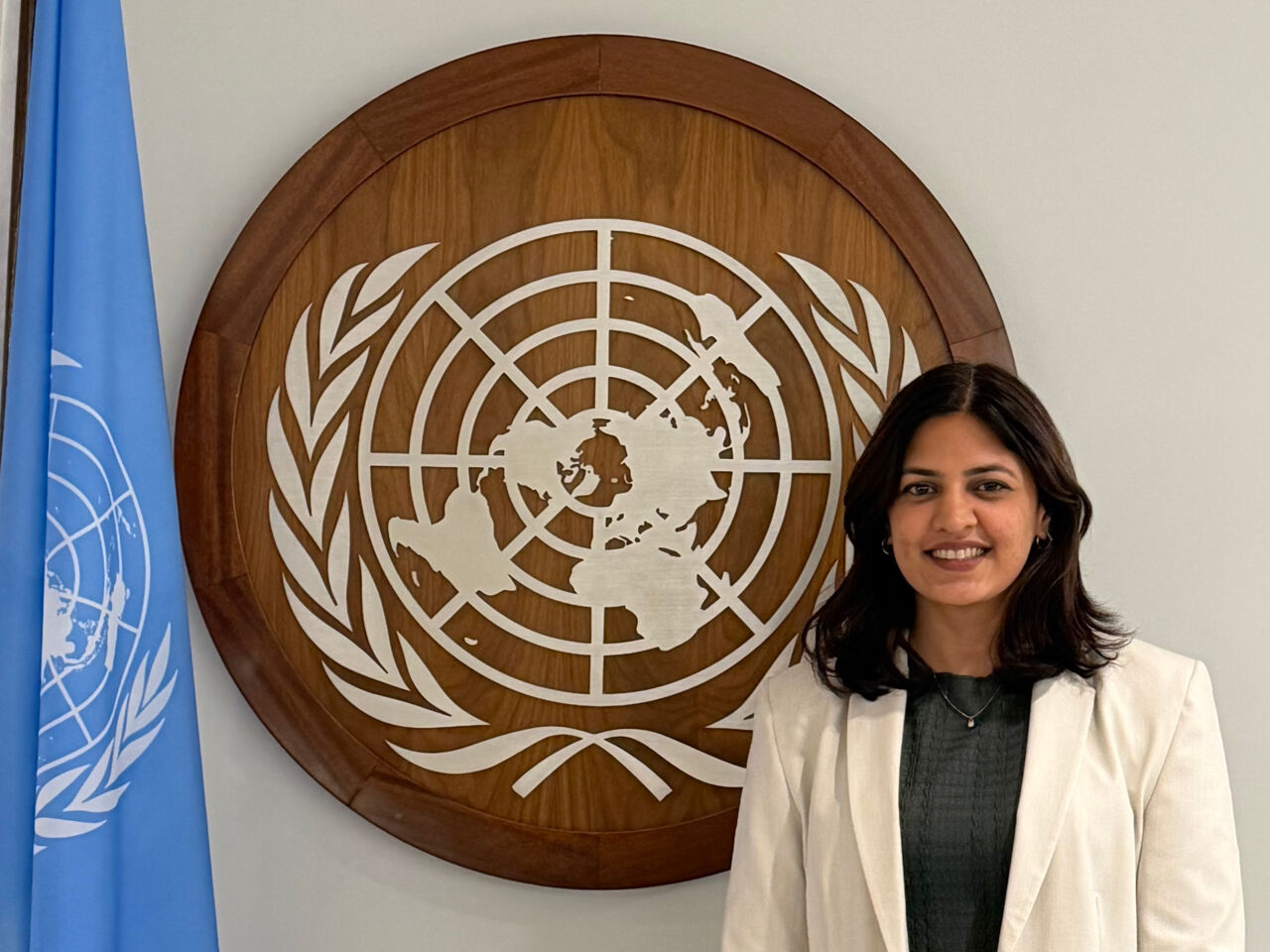
From 14 to 16 April, Shweta Ratanpura travelled to New York City for the UN’s fifteenth ECOSOC Youth Forum. As WorldSkills Champions Trust representative for Asia, she was the first youth ambassador to represent WorldSkills at the conference.
The ECOSOC Youth Forum is the UN’s premier platform for young people to engage with the Economic and Social Council on questions that will define future decades. This year, it focused on the SDGs under in-depth review at the 2026 High-level Political Forum on Sustainable Development (HLPF), namely: Clean water and sanitation (Goal 6), Affordable and clean energy (Goal 7), Industry, innovation and infrastructure (Goal 9), Sustainable cities and communities (Goal 11), and Partnerships for the goals (Goal 17).
Over three days, Ms Ratanpura joined hundreds of other young people, government Ministers and policymakers, UN agencies, civil society organizations, and representatives from global businesses to highlight youth innovation, share knowledge, and debate how to accelerate progress on these SDGs.
Ms Ratanpura focused her contributions on two critical gaps that she has personally observed in education systems today, and that directly connect to the WorldSkills movement. Firstly, the growing distance between what education delivers and what industry actually needs, and secondly the urgent shortage of educators who can bring real-world professional experience into the classroom.
Keen to bring her own insights as a User Experience (UX) Designer to the discussions, Ms Ratanpura attended discussions that explored the rapid digital transition happening in industry. One side meeting, entitled “Role of Youth in AI Development and shaping the future” and organized by the National Assembly of Youth Organizations of the Republic of Azerbaijan (NAYORA), examined AI and youth employment.
In the session, Ms Ratanpura proposed that “education systems must not only keep pace with technological change but must invest deeply in the human qualities that technology cannot replace — qualities like empathy, adaptability, and critical judgment.”
She also took part in a side meeting on “Empowering Youth: Advancing the Pact for the Future through Universities” which was organized by United Nations University Centre for Policy Research, Tsinghua University, and China Agricultural University. The event focused on how higher education institutions can help advance the commitments to youth and future generations.
Ms Ratanpura observed that, “Universities and training institutions cannot prepare young people for the future in isolation. The pace of technological and social change requires much deeper collaboration between education, industry, and policymakers. Young people must not only be included in these conversations but trusted as contributors to shaping what future-ready education should look like.”
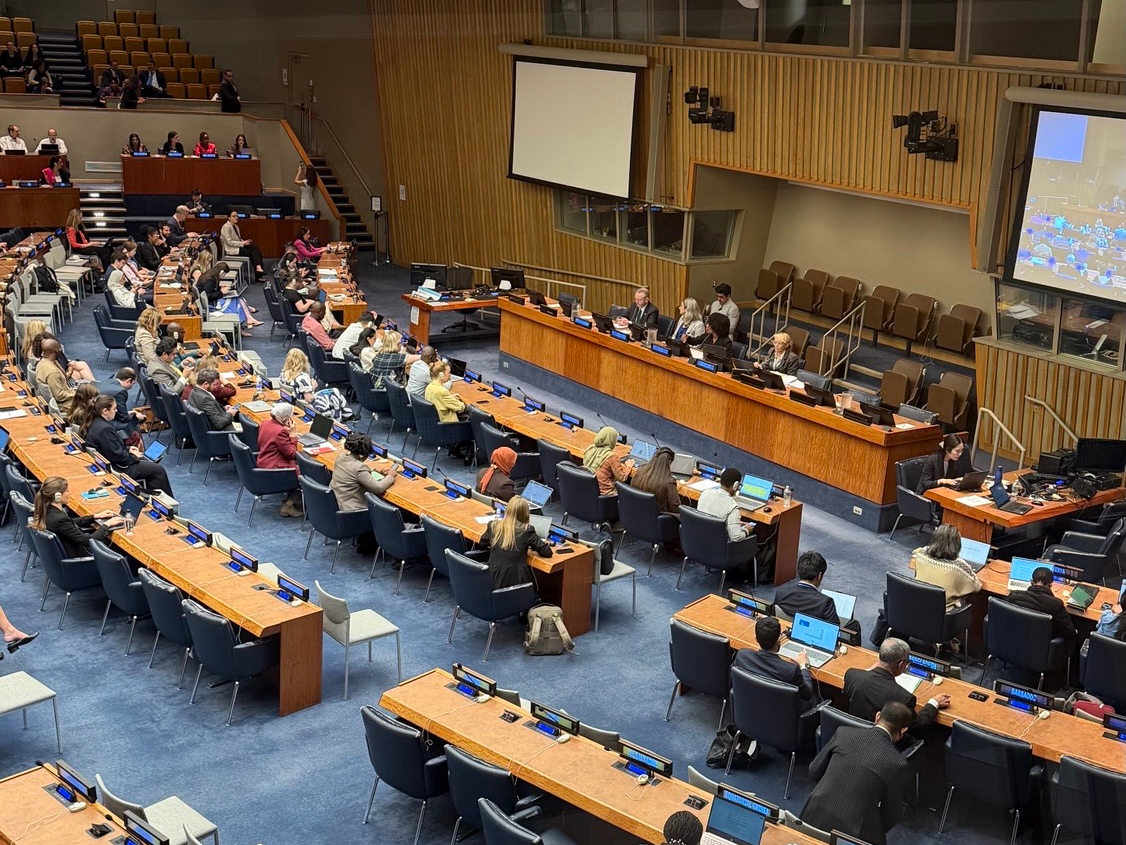
For WorldSkills Members and Global Partners, Ms Ratanpura believes there are three clear takeaways from the forum:
- The ECOSOC Youth Forum is a critical interface between young skilled people and national governments and policymakers. The topics and agenda are closely aligned to Vision 2035 making it a must-attend event for the WorldSkills community, and especially the WorldSkills Champions Trust, in the future.
- The hybrid format of the sessions would give WorldSkills Members, Global Partners, regional organizations, and Champions a greater chance to contribute to these global conversations. With earlier engagement next year, many more people in the WorldSkills community could benefit from the discussions.
- The forum presents a real and tangible opportunity for WorldSkills to help share insights and shape global education and employment strategies. WorldSkills should explore more ways to contribute to the 2027 forum apart from attendance, such as putting forward speakers and panellists.
Overall, she found the discussions strongly reinforced the work of WorldSkills and the trajectory of Vision 2035. She said, “Listening to my peers and to leading decision makers across education and industry, it reminded me of the pivotal role that skills play in the transformations taking place in our world. It also emphasized the power of youth in making sure these changes are fair, dignified and sustainable for all.”
At the end of the three days, Ambassador Lok Bahadur Thapa, President of ECOSOC, used his closing remarks to echo these ideas. He said, “What defined your discussions this week was not vulnerability. It was youth agency. As we approach International Youth Day 2026, we are reminded of a universal truth: young people everywhere share a call for dignity, opportunity, inclusion and a meaningful role in shaping their future.”
David Hoey, CEO of WorldSkills International, believes ECOSOC Youth Forum is exactly the kind of global stage where WorldSkills must have a voice. He reflects, “Shweta’s participation is another example of alignment with our partners at the United Nations and shows the value we place on our strategic partnerships. It will help pave the way for WorldSkills Conference 2026 where we are bringing together global policymakers, TVET thought leaders, and young people to shape a skills-driven future.”
For more information about how to register for WorldSkills Conference 2026 and add your voice to the discussion, visit the Conference website.