8 May 2026
WorldSkills Americas General Assembly 2026 sets plan to transform TVET in the region
The event highlighted the importance of quality skills development as an engine to address major trends shaping the world of work and ensure sustainable growth.
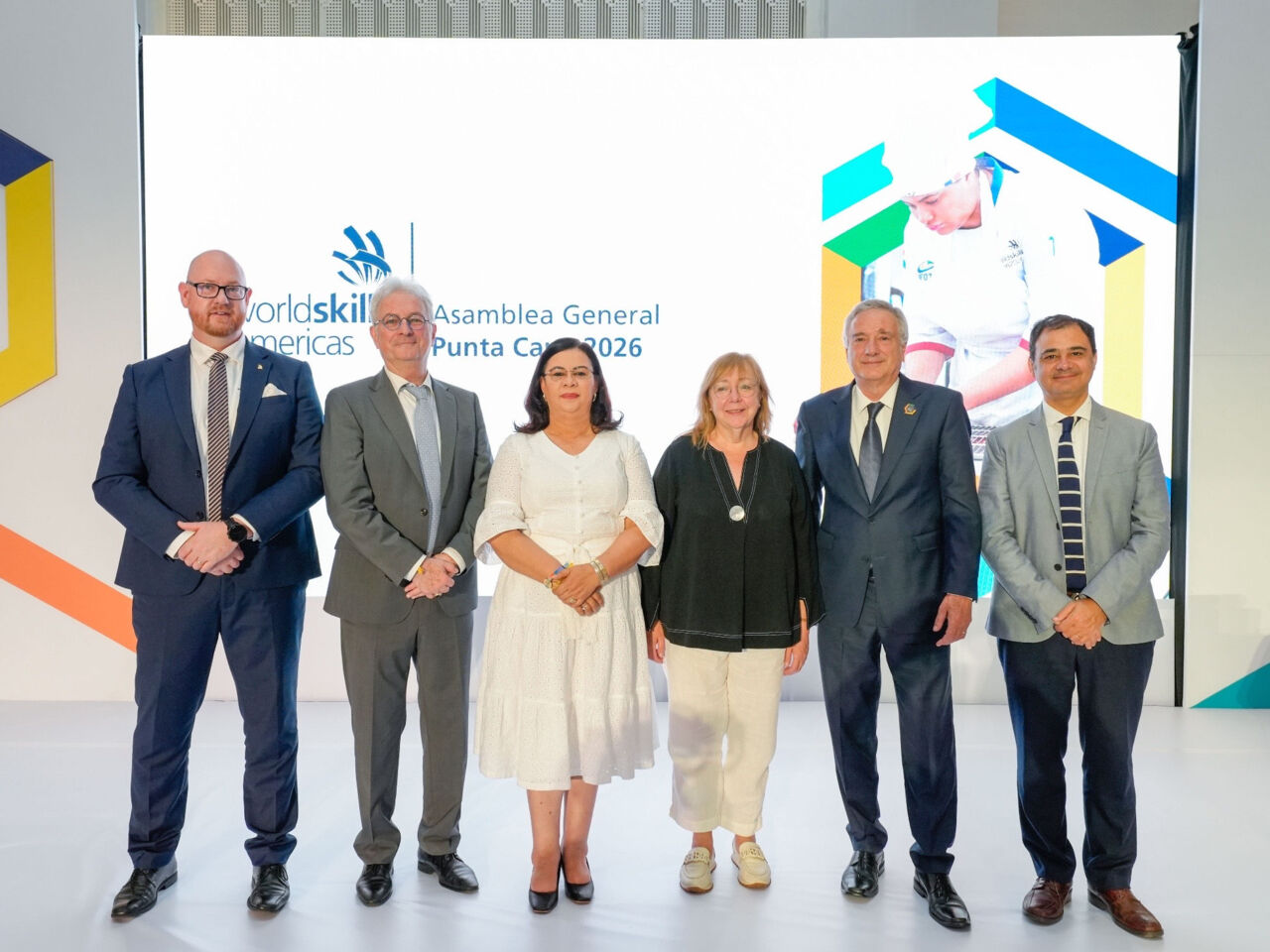
The vibrant city of Punta Cana, Dominican Republic, became the stage for WorldSkills Americas General Assembly 2026 from 20 to 24 April. Hosted by Dominican Republic’s National Institute of Technical and Vocational Training (INFOTEP), the event was preceded by an eventful year for the regional organization. During 2025, the organization saw the successful delivery of the 6th WorldSkills Americas Competition in Santiago, Chile, increasing momentum for the WorldSkills movement in the region.
WorldSkills Americas General Assembly 2026 served as a pivotal moment to consolidate the regional strategy and define the roadmap for the years ahead, in alignment with WorldSkills vision at the global level.
Over the four days, delegates discussed the future of Technical and Vocational Education and Training (TVET) in the region, worked to strengthen continental collaboration, and took key governance decisions – including the redefinition of WorldSkills Americas, the establishment of new structures, and the selection of its leadership.
The General Assembly also addressed the major trends shaping the world of work and agreed on concrete actions to raise the quality of TVET throughout the region. Attended by policymakers from Member countries and regions, as well as representatives from WorldSkills International and delegates from WorldSkills Americas, a message came out loud and clear: skills are not a complement to development, but its engine. Quality TVET is key to the future of economic development and social inclusion in the Americas.
Maira Morla Pineda, General Director of INFOTEP and Official Delegate of the Dominican Republic to WorldSkills, placed the General Assembly in a context of both urgency and opportunity, noting that artificial intelligence, automation, and labour market transformation are no longer emerging trends but present realities demanding a bold response from the region’s training systems. “Technical and vocational training is not only relevant, it is essential,” said Morla Pineda, reaffirming INFOTEP’s commitment to forging partnerships between governments, businesses, and training institutions to close skills gaps and advance sustainable development.
WorldSkills Americas President Arsenio Fernández called on Members to strengthen the reach of the organization, as a means to impact the lives of thousands of young people across the continent. “When technical training is implemented with quality, it has the power to transform lives, open opportunities, and contribute to the development of countries, especially for populations with less access to resources,” he said.
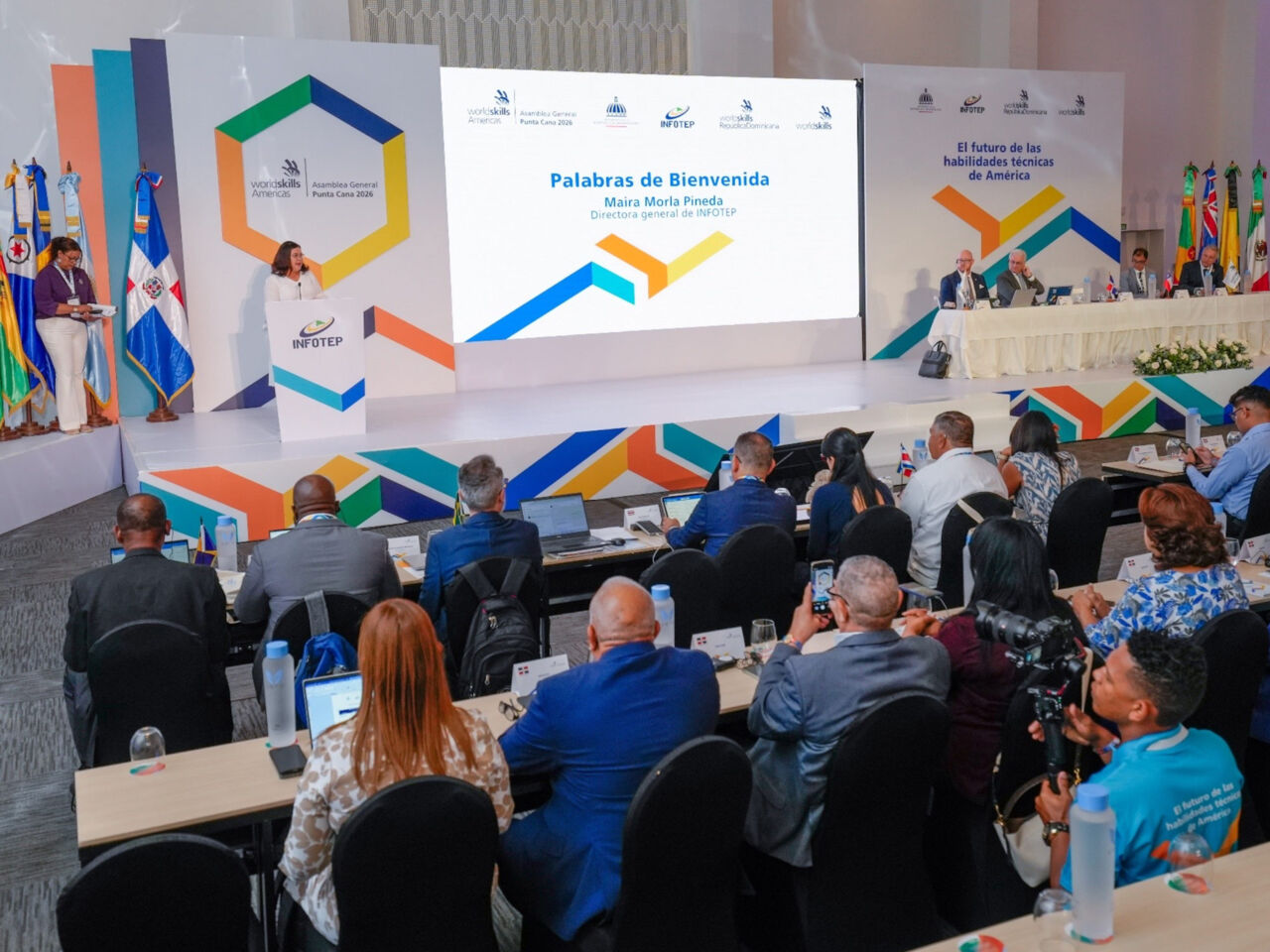
“This is a region rich in talent, culture, and opportunity,” said Francis Hourant, President of WorldSkills, during the opening session.
“We know that the WorldSkills movement has an important role to play in developing a more inclusive and future-ready workforce,” added Mr Hourant. “Let us ensure that the new WorldSkills Vision 2035 is not just adopted, but actively lived in every country, every institution, and every WorldSkills programme. As we look to the future — a time increasingly defined by artificial intelligence and automation — we must remain grounded in a fundamental truth: Technology will transform the way we work. But it is human skill that will define how we live.”
The General Assembly brought together national and international authorities, reflecting the high-level commitment to advancing TVET across the Americas. Rafael Santos, Minister of Higher Education, Science and Technology, welcomed delegates alongside David Collado, Minister of Tourism. Patrik Svensson, Board Member – Competitions, also attended on behalf of WorldSkills International.
The next WorldSkills Americas Regional Competition will be held in 2027 in Costa Rica. Learn more about WorldSkills Americas.