1 July 2026
International partners strengthen collaboration to advance TVET in Africa
Twenty-four institutions across the UN system, development agencies, and financial institutions met in Paris to advance the Africa Skills Landscape Initiative — a joint effort to map TVET investment across the continent.
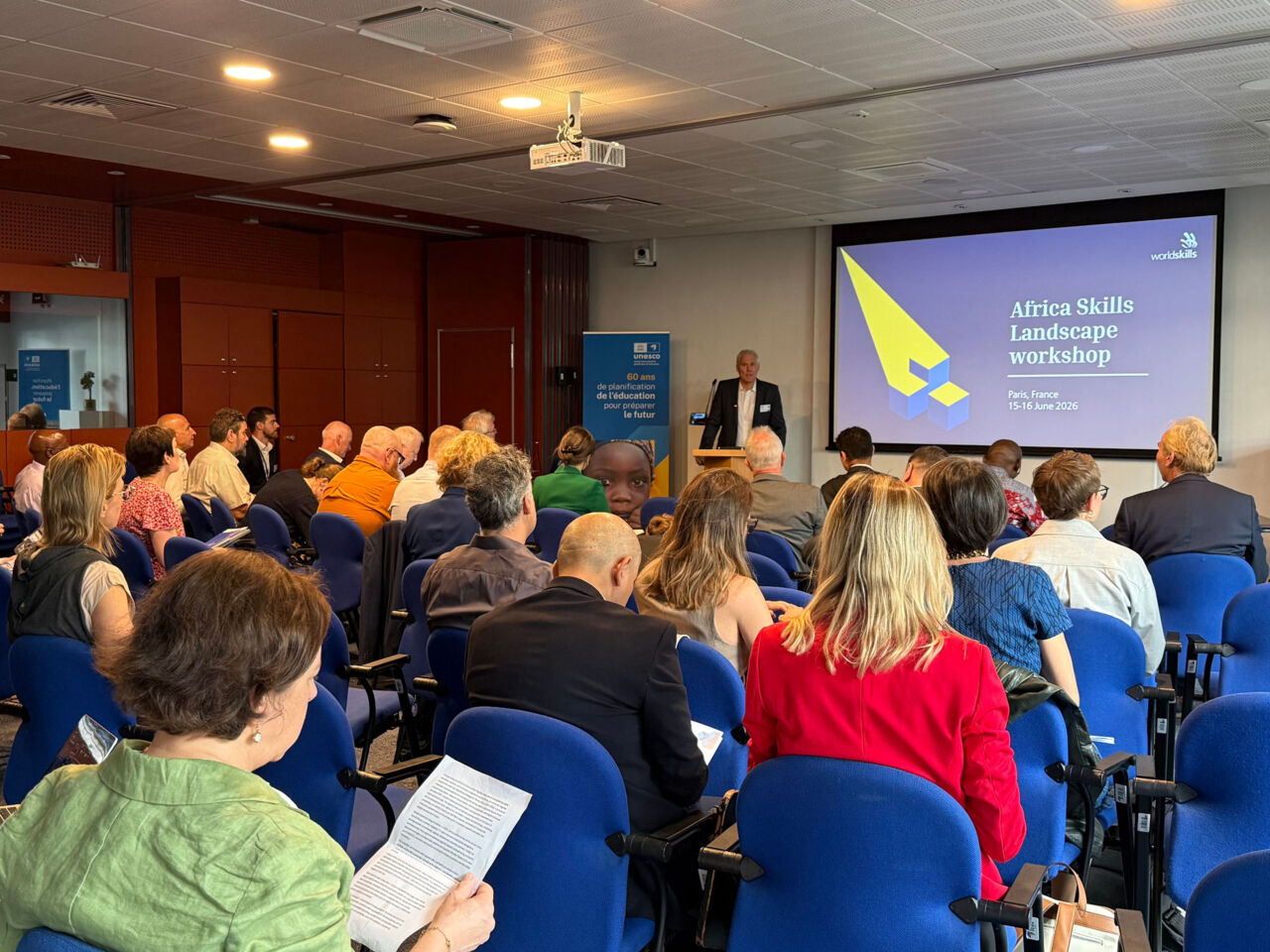
PARIS, 16 June 2026 – The African Union Commission (AUC), the United Nations Industrial Development Organization (UNIDO), WorldSkills International (WSI), and the United Nations Educational, Scientific and Cultural Organization (UNESCO) jointly convened a two-day workshop on the Africa Skills Landscape (ASL) Initiative in Paris on 15–16 June 2026, bringing together 24 institutions from across the United Nations system, international organizations, bilateral development agencies and their associated WorldSkills Members, NGOs, foundations, development finance institutions, and multilateral development banks.
“The WorldSkills movement has long demonstrated the transformative power of skills in changing lives and strengthening economies. Through the Africa Skills Landscape initiative, we are helping to create a clearer picture of the skills development ecosystem, enabling partners to work together more strategically and maximize the impact of their investments in young people and skills excellence,” said David Hoey, CEO of WorldSkills International.
The ASL initiative aims to provide a basis for strengthened coordination between international stakeholders implementing Technical and Vocational Education and Training (TVET) initiatives across Africa through mapping of ongoing and forthcoming projects and programmes. The workshop marked an important milestone for the ASL, as participants discussed the potential of using the insight from the mapping and co-created concrete next steps to move beyond a proof of concept.
Further reflections included how to leverage the WorldSkills movement and the convening power of the UN system to foster strategic partnerships and explore ways in which the mapping could contribute to the implementation of the African Continental TVET Strategy 2025–2034.
“Strengthening skills systems is essential for Africa’s industrialization, economic transformation, and job creation agenda,” said Juan Pablo Davila, Head of the Skills Development, Entrepreneurship and Fair Production Unit, UNIDO. “At a time when development resources are becoming more constrained, enhanced coordination and evidence-based planning are critical to maximizing the impact of investments in skills development.”
Africa’s TVET ecosystem is increasingly diverse, involving a broad range of stakeholders, including governments, regional organizations, development agencies, UN entities, development finance institutions, private sector partners, philanthropic organizations, and civil society. While this diversity presents significant opportunities, it also creates challenges in terms of coordination, visibility, and alignment. Many TVET-related initiatives operate in parallel, and stakeholders often lack a comprehensive overview of ongoing and planned initiatives across the continent.
“Africa’s demographic dividend can only be realized through sustained investment in skills development. The Africa Skills Landscape initiative represents an important step towards improving transparency, coordination, and accountability across the TVET ecosystem in alignment with Agenda 2063 and the Continental TVET Strategy 2025–2034. By strengthening our collective understanding of who is doing what and where, we can better build synergies, and support a more coordinated skills agenda for the continent,” said Nicholas Ouma, Principal Officer, Higher Education and TVET, African Union Commission.
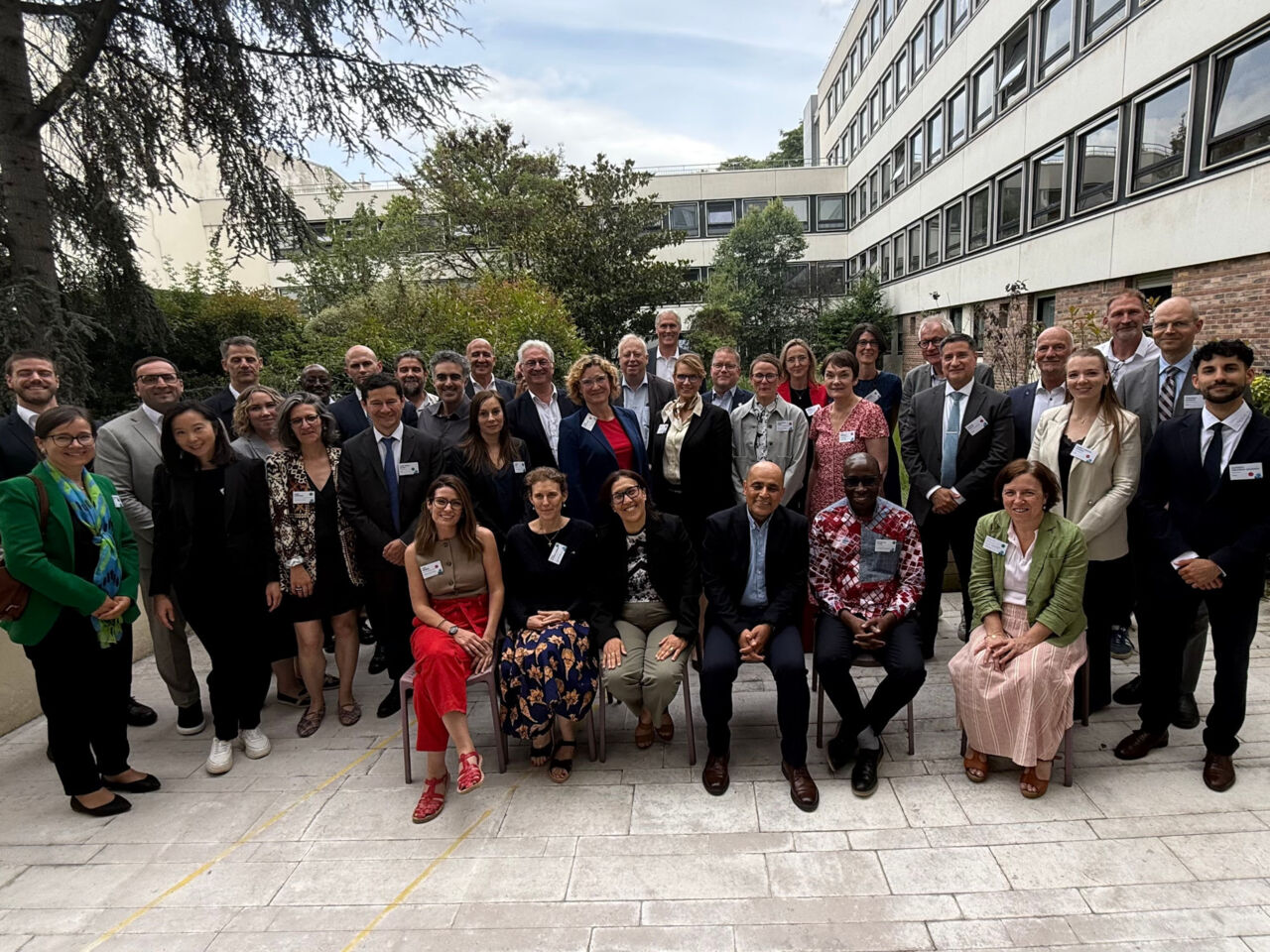
Participants at the Paris workshop reaffirmed their commitment to working together to strengthen collaboration and maximize the impact of investments in skills development across Africa. They agreed that a shared understanding of the TVET landscape will be instrumental in supporting more effective partnerships, improving resource allocation, and accelerating progress towards inclusive and sustainable economic transformation.
“As the lead United Nations agency for education and coordinator of the Inter-Agency Group on TVET, UNESCO is committed to fostering stronger partnerships and knowledge exchange in support of quality, inclusive, and future-oriented TVET systems. No single organization can meet Africa’s skills development needs alone,” said Borhene Chakroun, Director for Policies and Lifelong Learning Systems, UNESCO. “The Africa Skills Landscape initiative demonstrates the value of collective action and UNESCO is pleased to contribute to this joint effort.”
The preliminary results will be presented at the WorldSkills Conference 2026 in Shanghai in September 2026.
For more information, please contact:
Juan Pablo Davila, Head, Skills Development, Entrepreneurship and Fair Production Unit, UNIDO
About the ASL Initiative: The Africa Skills Landscape (ASL) mapping Initiative is a collaborative effort led by the African Union Commission, UNIDO, and WorldSkills International, with the support of UNESCO and ILO. The initiative maps ongoing and forthcoming TVET-related interventions across Africa to strengthen coordination, improve visibility of investments, identify opportunities for collaboration, and support implementation of continental TVET priorities.
About AUC: The African Union Commission (AUC) is the secretariat of the African Union and serves as the driving force behind the continent’s integration and development agenda. The Commission supports Member States in implementing continental policies and strategies aimed at promoting sustainable development, economic growth, peace and security, and regional integration. Through Agenda 2063 and the African Continental TVET Strategy 2025—2034, the AUC works to strengthen skills development systems, enhance youth employability, and build the human capital needed to drive Africa’s socio-economic transformation.
About UNESCO: The United Nations Educational, Scientific and Cultural Organization (UNESCO) is the specialized agency of the United Nations responsible for promoting international cooperation in education, science, culture, and communication. UNESCO leads global efforts to ensure inclusive and equitable quality education and lifelong learning opportunities for all. In the field of Technical and Vocational Education and Training (TVET), UNESCO supports Member States through policy advice, capacity development, research, data, and international cooperation, and coordinates the Inter-Agency Group on TVET (IAG-TVET) to strengthen collaboration among international partners working in skills development.
About UNIDO: The United Nations Industrial Development Organization (UNIDO) is the specialized agency of the United Nations that promotes inclusive and sustainable industrial development. Headquartered in Vienna, Austria, UNIDO supports Member States in advancing industrialization, innovation, sustainable value chains and economic transformation.
About WSI: WorldSkills International (WSI) is a global organization that brings together countries/regions, industry, education, and young people to raise the profile and recognition of skills worldwide. Through a network of more than 120 Member countries and regions, WorldSkills is the global champion for skills excellence and strives to create a world where skills are valued as the building blocks of sustainable human development.