4 August 2026
BeChangeMaker 2026: Meet the finalists of the programme's 10th anniversary
Five teams of exceptional social entrepreneurs will pitch in front of the international audience of WorldSkills Conference 2026 in Shanghai, China.
In just a few weeks, the 10th edition of BeChangeMaker will culminate in Shanghai, China. Five outstanding teams of young social entrepreneurs will deliver their final pitches to a panel of judges and to the diverse audience of WorldSkills Conference 2026. They are approaching the final stage of a programme that began in April, one that has helped them refine their business ideas, build new skills, and connect with others around the world who, like them, are working to make a difference through social entrepreneurship.
These are the teams that will take part in the BeChangeMaker 2026 pitch finale, in a milestone edition that marks 10 years of the programme and celebrates the hundreds of young businesspeople from around the world who have taken part.
Empals (India)
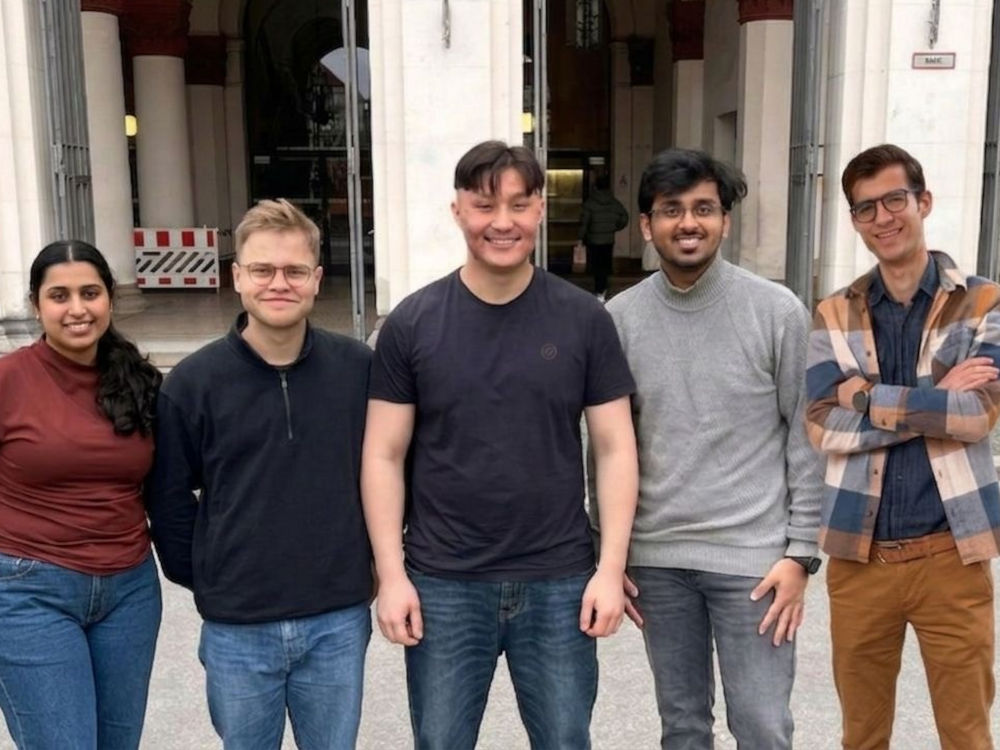
Both from Delhi, India, Anukriti Marwah and Aditya Purwar have teamed up to develop an app that can fill educational gaps for children diagnosed with ADHD, dyslexia, and autism. “In India, we don’t have special schools, so either the kids are being homeschooled, or they are being pushed towards the conventional way of studying where they often don’t perform well,” says Anukriti, who explains that the purpose of Empals is to create a digital environment within their home where “kids can learn at their own pace”.
An architect by background, Anukriti is now pursuing her Master’s in Design, specialised in interaction and product design. Empals started off as one of her university projects. That’s when Aditya — also pursuing management and digital technologies studies and with experience in healthcare analytics — decided to partner with her and take the app "from an academic project to an industry-level project”.
The application uses games built around a set module with different objectives: academic learning, physical movement, cognitive development, and emotional development. “The app analyzes your kid’s behaviour, their emotions, through smart sensing. And then, with that smart sensing, the application will change the games,” explains Anukriti.
Empals is now a registered company, and the team is set to deliver the app to the market in the near future. Their main target is developing countries, so their application can provide accessible support where educational systems fail.
Polaris (China)
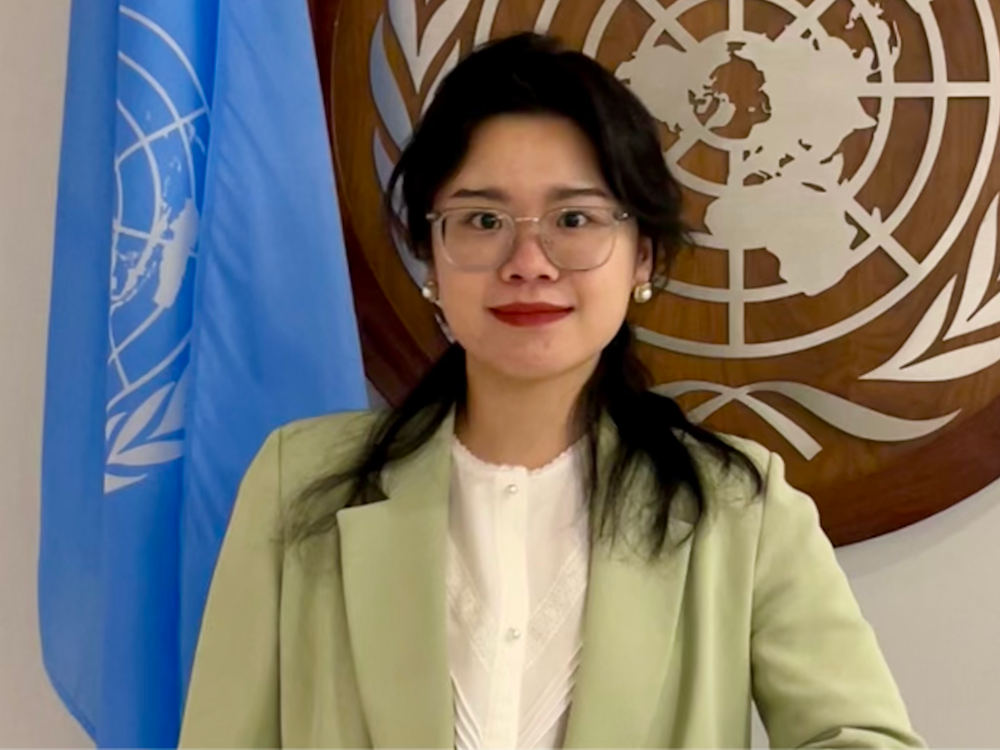
While Yuting Zhao was studying in Edinburgh back in 2023, she heard the news that another Chinese student had disappeared. The missing student’s friends reached out to Yuting, asking her to help spread the word to the whole international student community. The student had been kidnapped. While she was located safely within 48 hours, the family had been scammed and paid a ransom equivalent to USD 1.5 million. That event left Yuting shaken: “While in a foreign country, how can you protect yourself? How do you stay safe? How do you stay in communication with your family, just in case an emergency happens?”
This is how Polaris came to life. Yuting, along with her colleague, Alex, wants to build the go-to consumer app focusing on personal safety for women. “We are currently partnering with the London Police Department and the New York Police Department, and we have analysed traffic data, weather data, extreme conditions, crime data for sexual assault, for theft, and also the safety of venues,” says Yuting, as she adds that they then experimented on how to present that on a mobile app to show women — for instance, which route would be best for their commute, or which area to avoid during certain hours, or how to navigate public spaces during night times.
The result is an app that combines public safety, personal safety, and social features, based on a subscription model. With China being one of their target markets, team Polaris is planning to intensify marketing in the area and striving to go to market around the time of the final pitch in Shanghai.
Ridan AI (India)
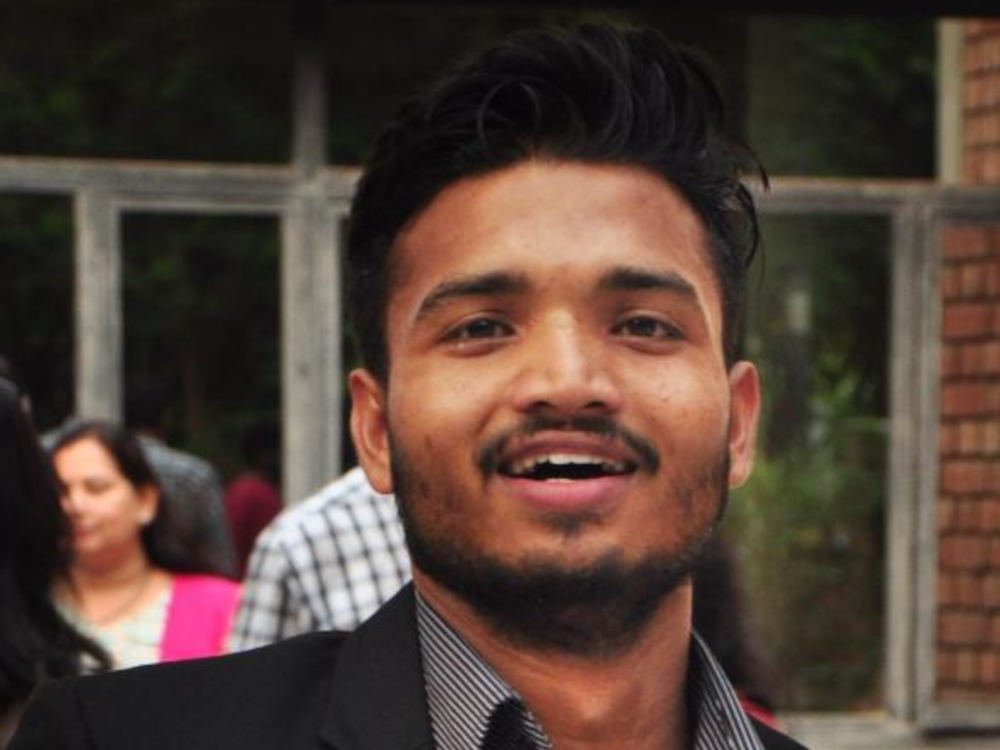
Over the past four years, Saswat Pattnaik tried more than 20 different apps and solutions to solve his social media addiction — a common problem in modern times. A former fellow at the Indian Institute of Technology (IIT) Bombay and IIT Mandi, and having partnered with different institutions to research screen time, Saswat decided to use his skills and entrepreneurial nature to create Ridan AI.
Ridan stands for “Reduce or Resist Interesting Yet Damaging Actor Notion” and is a behavioural AI approach to solving social media addiction in children. “Most screen time apps have one intervention only — they either block apps, or give you a time limit, or offer parental controls,” he says. “What I’m trying to do is a variable intervention kind of model, where intervention changes as soon as the type of dopamine rush is changed.” The app helps people block shorts and reels inside apps, or any other feature the user identifies as addictive. The app also enforces breaks, requiring physical challenges before users can return to the app — or even requiring them to pay a friend to unlock it again.
“What we’re trying to achieve is to build that behavioural AI model, which understands the users, and provides them the right intervention at the right time, so that they don’t miss out on anything,” explains Saswat about his long-term goals. Ridan can be downloaded and currently has over 2,000 users from 7 different countries and a 4.8 star rating, achieved organically.
Ruruka (Paraguay)
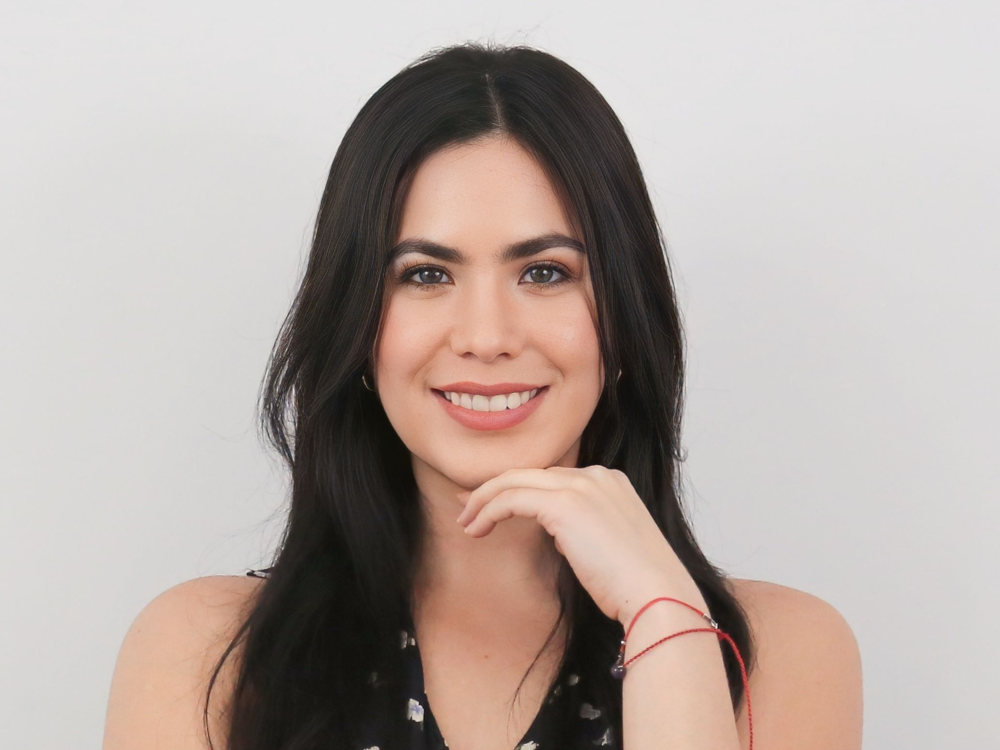
Carmen Paredes from Paraguay is Ruruka’s founder, a company that transforms industrial sludge into sustainable building materials. Currently at a pilot stage and about to launch to market, Ruruka has already completed pilot projects with six industries in the country, upcycling 22 tonnes of waste into 100,000 sustainable bricks.
“Our main clients are the industries that generate the waste sludge. So they pay us to manage the disposal of their waste,” explains Carmen. “We are operating as a Life Asset, under some partnerships we have with potters in the area in Paraguay, where they make the construction materials. But the core idea is not selling bricks, it’s about turning this waste into an opportunity.” For instance, the company is adding a layer of data collection that would help industries understand the type of sludge they are producing, its chemical composition, or the carbon or methane emissions.
“Paraguay is a great country to prototype in the field,” says Carmen, acknowledging that they were able to test their materials directly in the field, talking with the industries, looking at the transport issue and closing the logistics. There is, however, a regulatory obstacle, as the country has no laws regarding the valorization of waste sludge, an issue that Carmen brought to the Ministry of Environment and received positive feedback on.
Ruruka is one step away from being able to operate full time, and is currently working through environmental certifications required by the Ministry to offer them to large industries for their audits.
Carmen’s long-term plans are to expand into other, more complicated types of sludge, and to standardize the mixing process so the company can grow in different locations.
Vivian (Mexico)
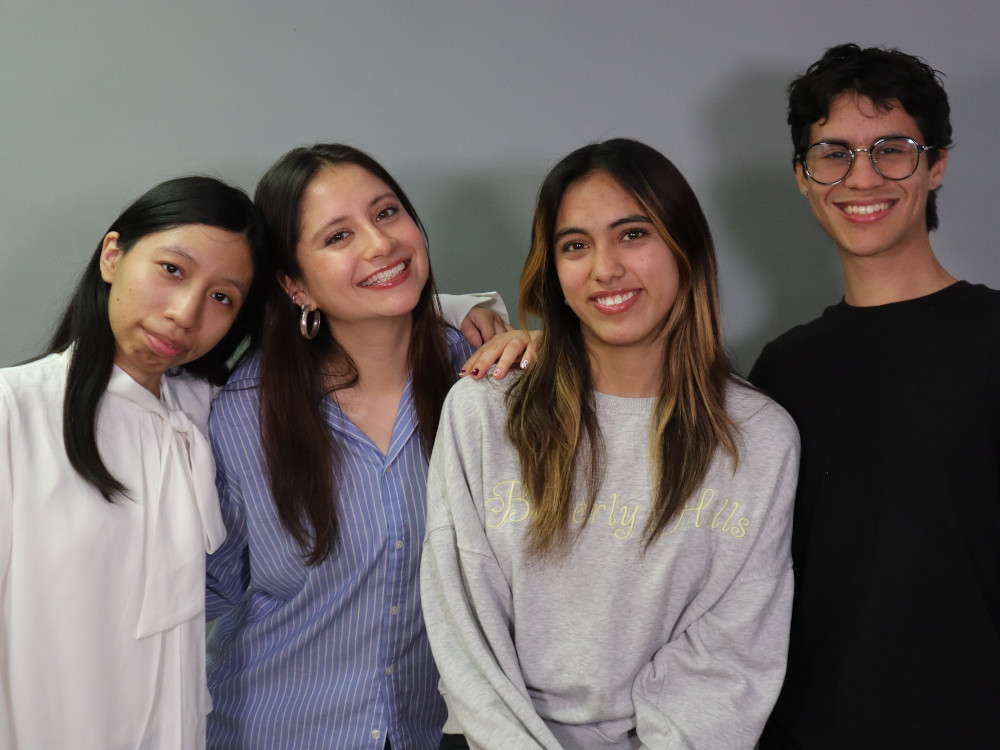
Led by Alejandra Carrillo, Vivian is an AI digital interpreter from Spanish to Mexican Sign Language. Recently graduated in international business, Alejandra was always drawn to social entrepreneurship. In her last year of studies, her school’s business incubator connected her to Julian Haniel Ocampo, a graduate in computer science engineering and the one who had the original idea for Vivian. They were then joined by Ana Valdés, a 19-year-old who just finished high school and has significant hearing loss, whose own experience helped guide the team’s understanding of the deaf community and its needs, and by Elizabeth Barrera, a graphic design engineer, who has been in charge of bringing Vivian to life visually.
“The community of deaf women is the most vulnerable community in all of Mexico. They’re the people who earn the least income in the entire country. So we realized: this has to be able to reach people who aren’t going to have the latest phone… or who won’t always have a stable internet connection,” says Alejandra. “We’ve managed to make it so that anyone can have Vivian on their cell phone, no matter what tier of phone they’re using.”
Vivian is a mobile app where the user can type and the avatar translates it into Mexican Sign Language. It has a dictionary and a section for learning Mexican Sign Language. They also offer an API integration for computers where the avatar can interpret live while watching a video. “We’ve been in talks with a couple of manufacturing companies that tend to employ deaf people, to use it to translate briefings on production lines and other daily operations,” she adds.
Vivian is currently being used by people all over the world, including Venezuela, Argentina, and countries across Asia. The team’s hope is for more people with hearing loss to know that Vivian exists, to use it, and for companies to rely on it to increase their inclusion.
BeChangeMaker is powered by WorldSkills and the HP Foundation, and supported by UNESCO-UNEVOC. It empowers young people from around the world to promote community development and contribute to the achievement of the United Nations Sustainable Development Goals (SDGs).
The teams will deliver the final pitch on 24 September 2026, 13:30–14:45 (GMT+8), as part of WorldSkills Conference 2026. The Conference will bring together global industry leaders, ministers, policymakers, and skills development pioneers at the largest international gathering on skills this year, taking place alongside the 48th WorldSkills Competition in Shanghai.