17 February 2026
Member-to-Member knowledge sharing elevating skills excellence in Ghana
A long-standing mentoring partnership between WorldSkills Germany and WorldSkills Ghana is deepening Expert capacity, strengthening national training systems, and helping Ghana step confidently onto the global stage for skills.
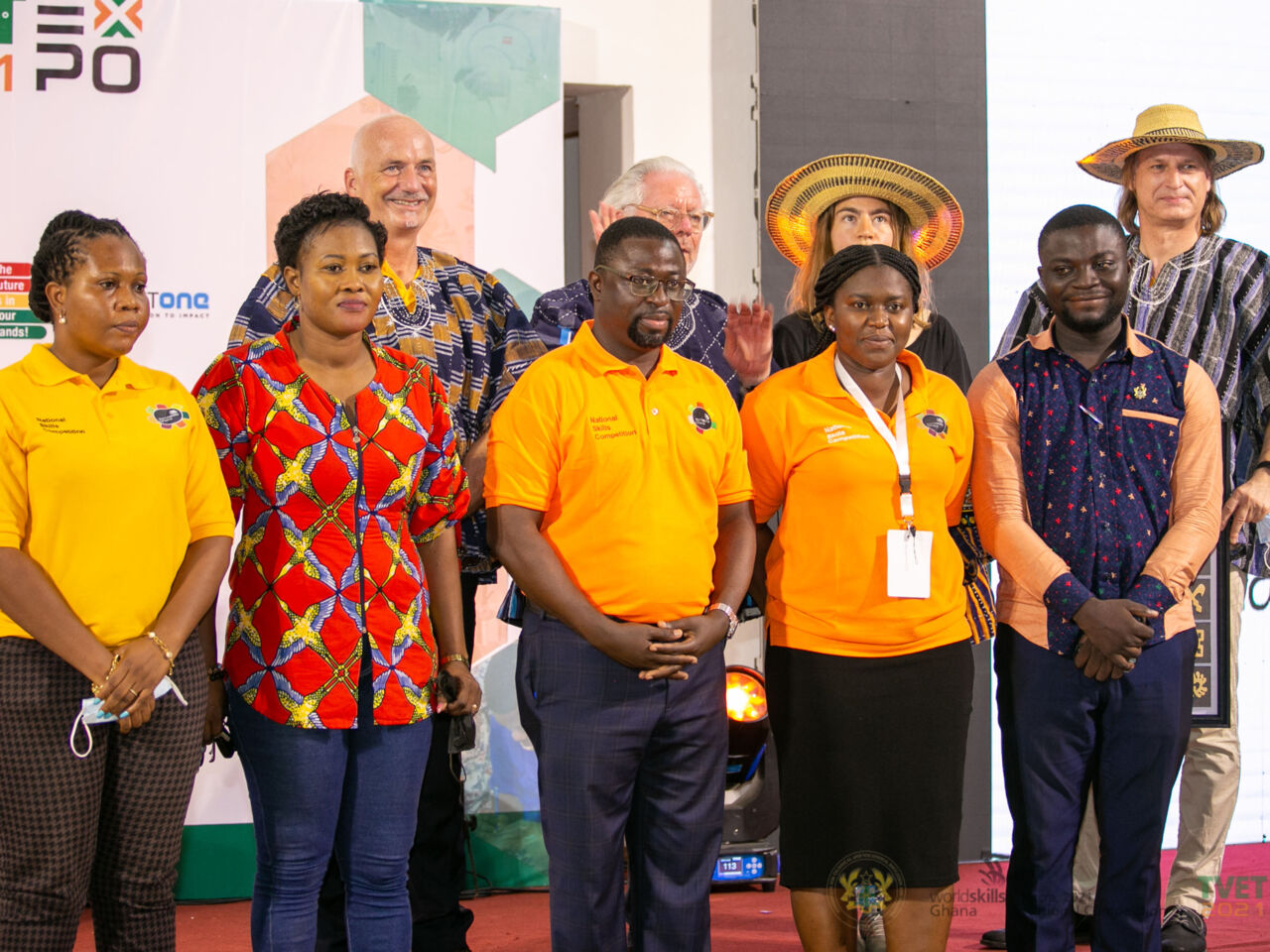
When Ghana became the 81st Member of WorldSkills in 2019, it marked the beginning of a new chapter of skills development for the country. It was also the beginning of a mentoring relationship with WorldSkills Germany that continues to shape how both countries train young people for excellence.
A Member since 1953, WorldSkills Germany has decades of experience in skills competitions, professional training, and international cooperation. By combining this experience with strategic support from the German Society for International Cooperation (GIZ), WorldSkills Germany has been able to collaborate with WorldSkills Ghana to strengthen the foundations of its Technical and Vocational Education and Training (TVET).
From the start, the partnership focused on long-term systems change. With more than half of its population under the age of 30, Ghana identified an urgent need to train its young professionals and developed a national strategy that prioritized skills quality, relevance, industry alignment, and international competitiveness.
As anticipation builds towards the 48th WorldSkills Competition in Shanghai, the partnership is a clear example of how Member-to-Member cooperation can strengthen skills systems and help countries step onto the global stage for skills. It also shows the wider WorldSkills community how mentoring is not a one-sided transfer of knowledge, but a shared investment in skills excellence.
Zakaria Sulemana, Official Delegate for WorldSkills Ghana, reflects, “This collaboration with WorldSkills Germany has gone beyond competition preparation. It has helped us strengthen governance structures, deepen Expert professionalism, and embed international best practices within our national TVET. It is a partnership that is leaving behind better systems, not just individual successes.”
Hubert Romer, Official Delegate for WorldSkills Germany, agrees and calls for continued support. He says, “The time together was inspiring for all of us and gave us so much in return. That is why it is so important for the relevant political bodies to actively support projects like this and provide sufficient resources for their future development.”
Educators were a fundamental part of this transformation. A series of Expert training programmes, in alignment with WorldSkills Occupational Standards and drawing on WorldSkills Competition Test Projects, structured assessments, and peer reviews, helped build confidence and competence.
“By strengthening Expert capacity, Ghana has been able to build a sustainable pipeline of trainers, assessors, and mentors who can raise standards across institutions, support Competency-Based Training, and inspire young people to pursue technical careers,” explains Albert Opare, Communications Manager at WorldSkills Ghana.
While some mentoring happened virtually, the real impact came when WorldSkills Germany Experts travelled to Ghana to deliver hands-on training at the TVET colleges, which contributed to success at WorldSkills Africa Swakopmund 2022. But as the partnership progressed, the Members prioritised seven skills that were fundamental to the development of Ghana’s workforce and economic growth: Automobile Technology, Bricklaying, Carpentry, Cooking, Electrical Installations, IT Network Systems Administration, and Welding.
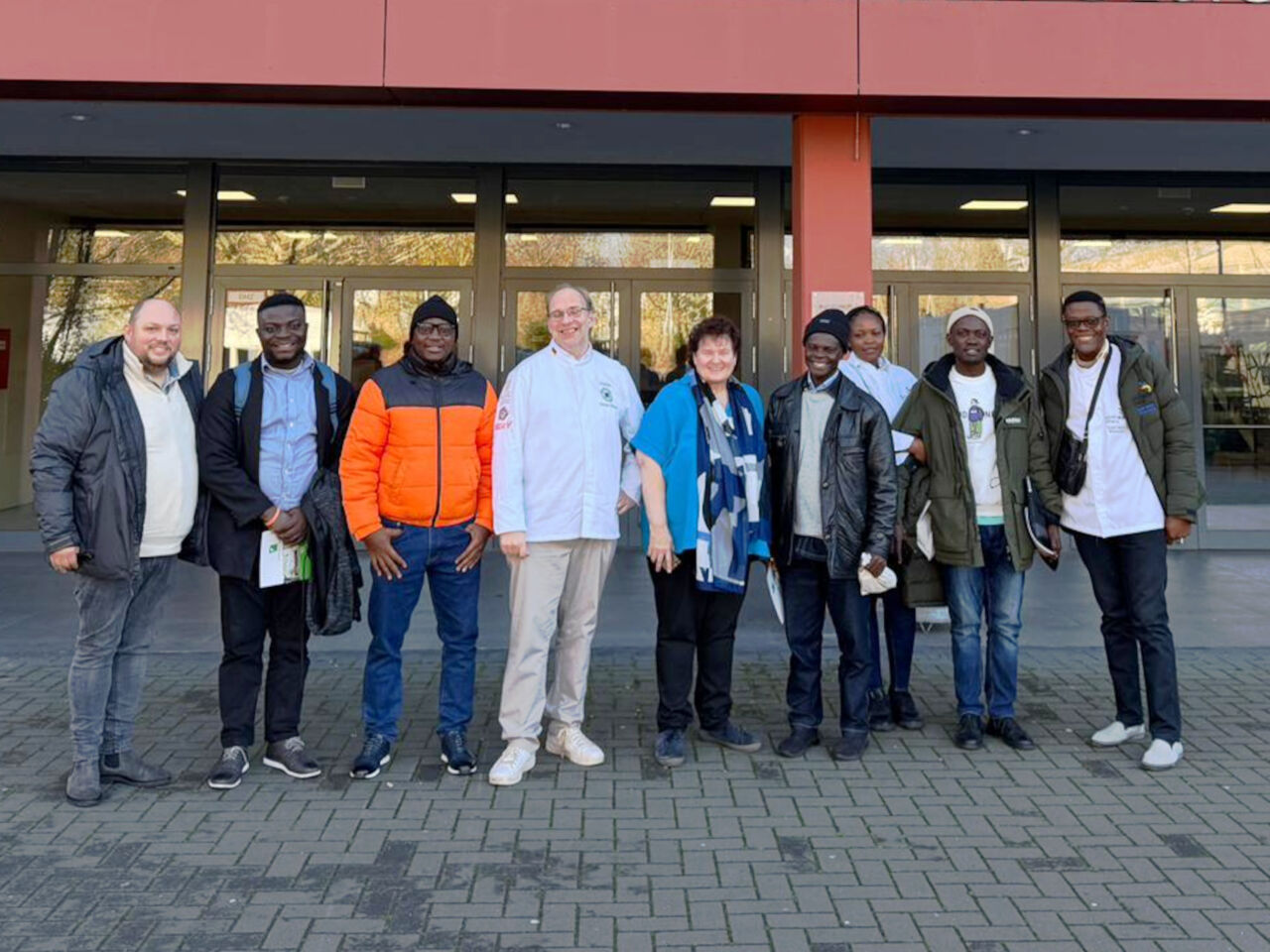
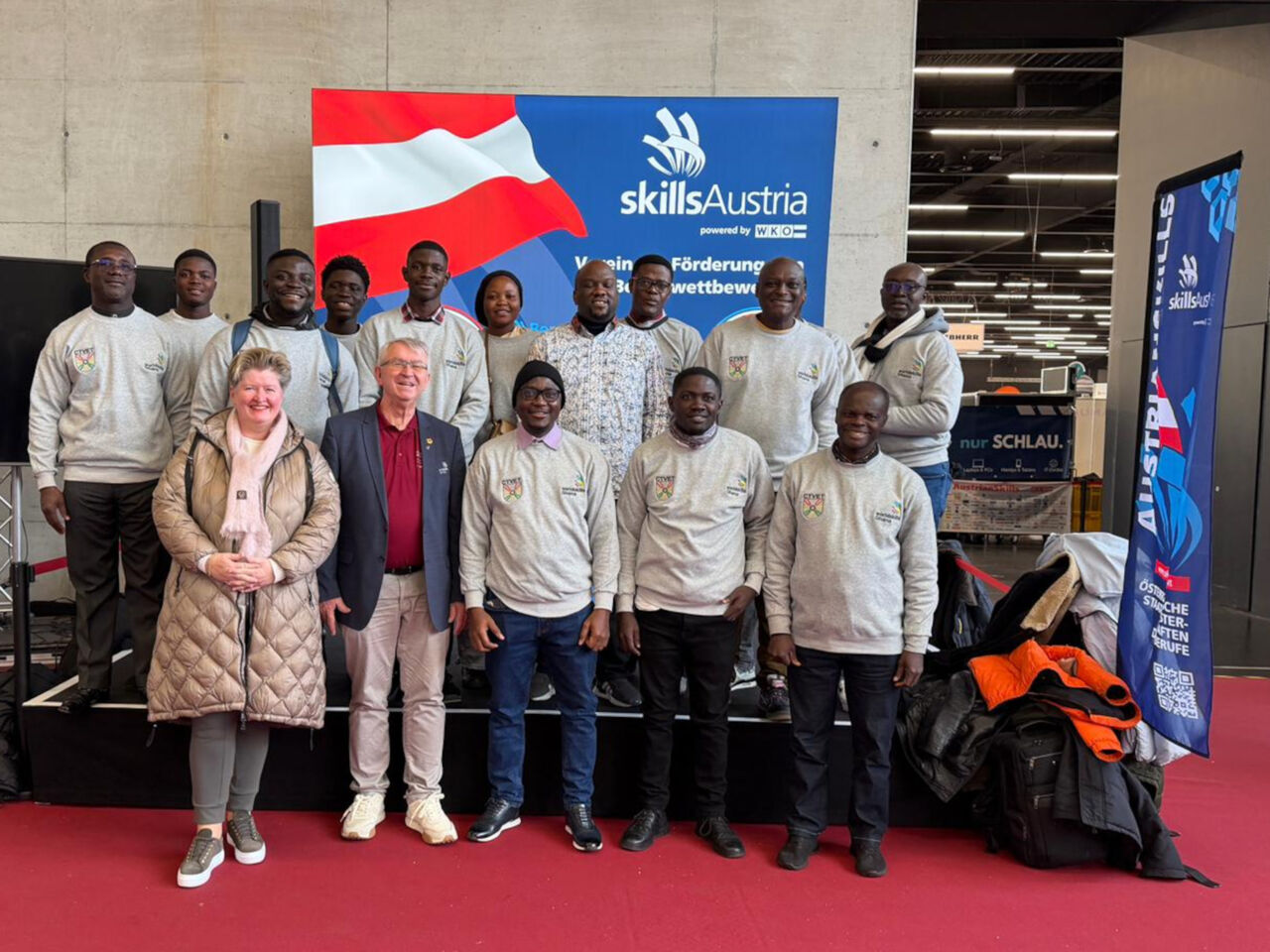
Last November, WorldSkills Ghana Experts and Competitors took part in intensive training weeks in Germany in preparation for their forthcoming nationals, as well as WorldSkills Shanghai 2026.
George Sevor, Chief Expert in Bricklaying for WorldSkills Ghana reflects, “The programme deepened my technical knowledge, particularly in workpiece design, drawing interpretation, and evaluation. This exposure has strengthened my capacity to assess both national and international competitions and to mentor young students more effectively. I am confident this experience will have a lasting impact on skills transfer in Ghana.”
Richard Okoampa-Larbi, Technical Delegate for WorldSkills Ghana goes further, saying, “The training collaboration with WorldSkills Germany has been a vital step toward strengthening Ghana’s skills excellence and global competitiveness. It enhances technical competence, exposes Competitors and Experts to international standards and advanced technologies, and significantly improves readiness for WorldSkills competitions.”
For many involved, the value of the programme has also been in the two-way learning process. Thorben Grübnau, the Expert in Cooking for WorldSkills Germany, says, “For me personally, the experience offered deep insights into a different vocational education and training system and a new cultural context.” Stefan Mißbach, Expert in Automobile Technology for WorldSkills Germany, agrees, saying, “As a coach, I gained important experience and learned approaches to train my students even better in the future.”
As well as the training programmes, this partnership has created space for dialogue around competition planning, funding models, strengthening infrastructure, strategic communications, and the role of skills in national development.
While the funding agreement with GIZ, on behalf of the Federal Ministry for Economic Cooperation and Development and the European Union, ends this February, both Members are keen to continue the partnership and see its legacy extending far beyond the project period.
Albert describes it as “one of the most powerful tools within the WorldSkills community,” saying, “Our experience shows that mentoring, when grounded in mutual respect and shared purpose, delivers lasting value far beyond Competitions. We strongly encourage other Members to invest in knowledge-sharing partnerships as a pathway to sustainable skills development.”
Learn more about how Members are preparing for WorldSkills Shanghai 2026.